
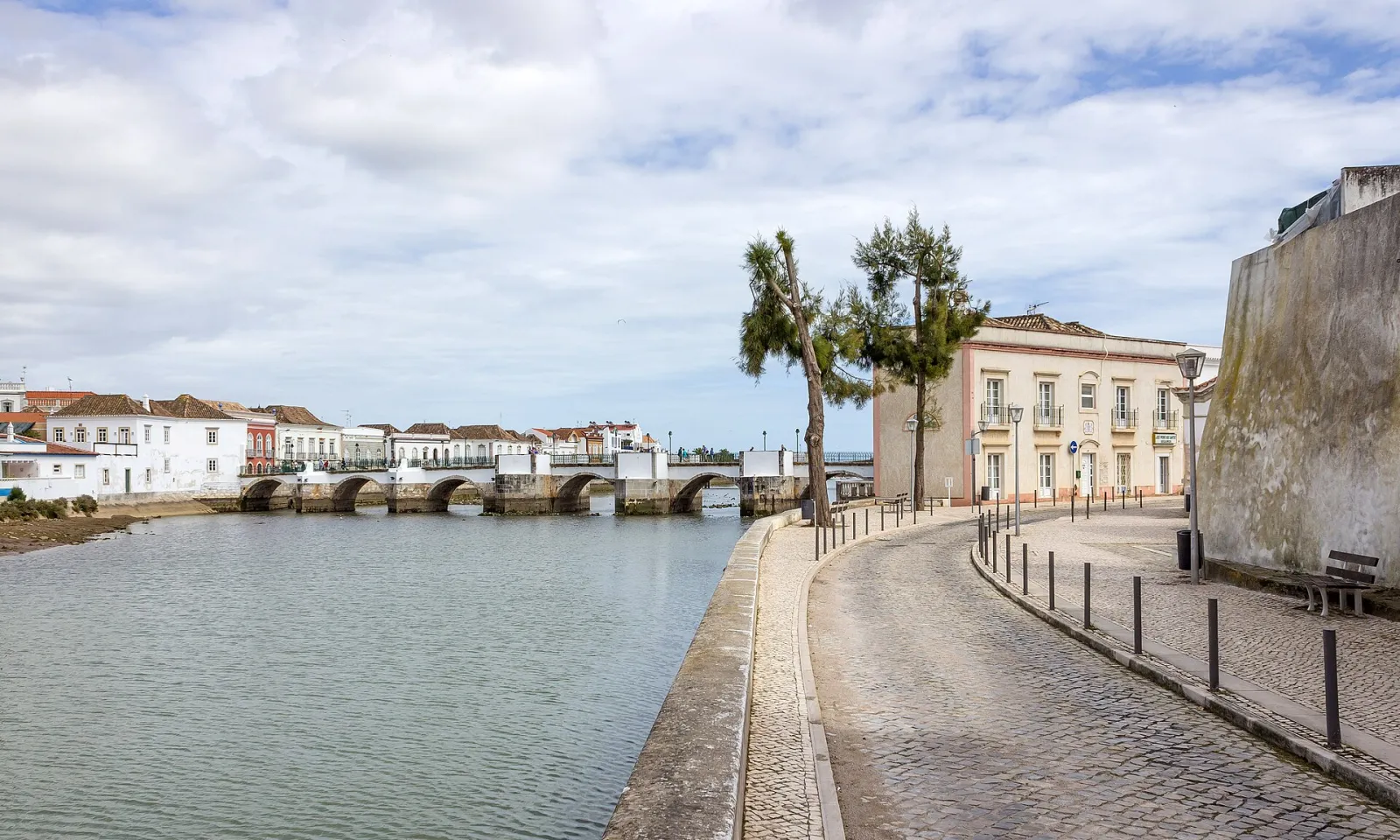
Retiring in Portugal is still one of the most realistic ways for Americans to retire in Europe if you have steady income such as Social Security, a pension or IRA withdrawals. As of November 2026, the D7 visa asks for at least €920 a month for one person and about €1,380 for a couple. Those figures are expected to rise in January 2027.
The bigger changes are in taxes and the long-term outlook. The NHR tax break closed to newcomers in January 2024, so most US retirees now pay Portugal's normal income tax rates on their pensions. Since 19 May 2026, Americans also need 10 years of residence before they can apply for citizenship. This guide covers budgets, places to live, healthcare and taxes. For the full visa paperwork, use our Portugal D7 visa guide for US citizens.
Key facts at a glance
| Question | Short answer (as of November 2026) |
|---|---|
| Main visa for retirees | D7 passive-income visa |
| Minimum income, single | €920 a month (about $1,058) in 2026; planned €970 (about $1,116) from January 2027 |
| Minimum income, couple | About €1,380 a month (about $1,587) in 2026; about €1,455 (about $1,673) from January 2027 |
| Savings benchmark | About €11,040 in a Portuguese bank account in 2026, about €11,640 under the 2027 figure (consular practice, varies) |
| Visa fee | €110 plus a VFS Global service fee of about $44 |
| Health insurance for the visa | Private cover of at least €30,000 |
| Typical retiree budget | €1,400 to €1,900 a month in smaller towns, €1,900 to €3,200 in major cities |
| Tax on US pensions and IRAs | Standard progressive Portuguese rates, top rate 48%; NHR closed 1 January 2024 |
| Citizenship | 10 years of legal residence for Americans, plus A2 Portuguese; permanent residence still 5 years |
Dollar figures in this guide use a round planning rate of $1.15 per €1. That is our own assumption for illustration, not an official rate, so check the live exchange rate before you set a budget.
Is Portugal a good place to retire?
For many Americans, yes. Portugal offers living costs well below most US cities, a public health system open to legal residents and a passive-income visa with a low income threshold. The trade-offs are higher taxes than before 2024, slow bureaucracy and a much longer road to a Portuguese passport.
Here is the honest balance sheet:
- Costs: a single retiree can live in an interior town on about €1,100 to €1,300 a month, according to A Country A Month.
- Healthcare: legal residents can register with the public SNS, and GP visits at health centers no longer carry a fee. Many expats still keep private insurance because specialist waits can be long (LiveInPT).
- Visa: the D7 income bar is modest compared with many other European retirement visas.
- Taxes: the old 10% flat rate on foreign pensions is gone for new arrivals, so a large IRA withdrawal can be taxed at high Portuguese rates.
- Time: you must actually live there, and citizenship now takes 10 years of residence instead of 5.
Can Americans retire in Portugal? How the D7 visa works
Yes. Most Americans retire to Portugal on the D7 visa, which is built for people living on passive income such as Social Security, pensions, rental income or investment withdrawals. You prove stable income, savings, housing and health insurance, then apply through the Portuguese consular network in the US.
Income and savings rules for 2026
As of 2026, Portugal's D7 visa requires a single main applicant to show at least €920 a month, or about €11,040 a year, according to StartAbroad. The government's wage agreement plans €970 a month from January 2027, which would put the D7 bar at about €970 for one person and €1,455 for a couple, with savings of about €11,640. Confirm the figure in force on the day you apply.
The bar equals Portugal's national minimum wage, which rose to €920 on 1 January 2026, so it goes up whenever the minimum wage goes up. A spouse adds 50% and each child adds 30%. In 2026 that means €460 for a spouse and a couple total of about €1,380 a month (visas.pt).
Consulates also commonly expect savings equal to 12 months of minimum wage, held in a Portuguese bank account. Sources describe this savings figure differently, so treat it as a benchmark rather than a fixed legal number (Passportivity). You can check your income with our Europe visa income checker before you start.
D7 steps for US retirees
- Get a NIF (Portuguese tax number), usually through a fiscal representative or lawyer. You need it before you can open a bank account.
- Open a Portuguese bank account and deposit your savings buffer, around €11,040 in 2026.
- Secure accommodation in Portugal, typically a 12-month lease.
- Get an FBI background check and have it apostilled.
- Buy private health insurance with at least €30,000 of coverage.
- Book an appointment at the VFS Global center for your consular jurisdiction. Book early, because slots can take months. Pay the €110 visa fee (about $127) plus a VFS service fee of about $44. Processing usually takes about 2 to 3 months.
- Collect your D7 entry visa, which is valid for about 120 days, and travel to Portugal.
- Attend your AIMA biometrics appointment in Portugal. AIMA charges its own permit fees, reported at about €247 per adult in 2026; check AIMA for the current table.
- Receive your residence permit, which is first issued for 2 years, then renewable for 3-year periods.
Requirements are set by the consulate. Confirm on vistos.mne.gov.pt and your VFS jurisdiction page before applying.
AIMA, Portugal's immigration agency, has a reputation for slow appointments and decisions, so leave slack in your plans. Sources report that you are expected to spend roughly 16 months in Portugal during the first 2 years, with no single absence longer than 6 consecutive months (A Country A Month). Sources vary on these presence rules, so confirm them before you plan long trips home to see grandchildren.
How much do you need to retire in Portugal?
Most single American retirees need about €1,100 to €1,900 a month outside Lisbon, and more in the capital. A couple usually needs about €2,300 to €2,600 a month in a mid-cost town, plus health insurance and taxes.
Idealista Portugal puts a comfortable retiree budget at about €1,400 to €1,900 a month in smaller towns and €1,900 to €3,200 in major cities. Those ranges cover rent, utilities, food, dining out and transport. Idealista adds that a retired couple in Lisbon, Porto or the prime Algarve should add roughly 25% to 35% to the small-town budget.
The table below uses the regional estimates from RetireDestinations, which advises couples to add 35% to 45% rather than doubling the single figure.
| Region | Single, per month | Couple, per month (+35% to 45%) |
|---|---|---|
| Lisbon | $2,200 (about €1,913) | $2,970 to $3,190 (about €2,583 to €2,774) |
| Algarve (Tavira, Lagos) | $1,800 (about €1,565) | $2,430 to $2,610 (about €2,113 to €2,270) |
| Porto | $1,600 (about €1,391) | $2,160 to $2,320 (about €1,878 to €2,017) |
| Interior (Guarda, Castelo Branco, Bragança) | $1,100 to $1,300 (about €957 to €1,130) | $1,485 to $1,885 (about €1,291 to €1,639) |
Euro amounts are converted at our $1.15 planning rate. Different sources measure costs differently, so read these as ranges, not promises. For a line-by-line breakdown of rent, groceries and utilities, see our cost of living in Portugal guide.
Worked example: a retired couple in Porto or the Algarve
Say you are a retired couple from Ohio with combined Social Security of $3,200 a month, which is about €2,783 at $1.15. Here is how the numbers stack up:
- Visa test: €2,783 is well above the D7 couple minimum, even under the planned 2027 figure, so income is not the problem.
- Living costs: take Idealista's small-town range of €1,400 to €1,900 and add 25% to 35% for a city like Porto. That gives about €1,750 to €2,565 a month.
- Health insurance: US-oriented budgets often use about €175 a month per person, so add €350 for two.
- Total: €2,100 to €2,915 a month before any income tax.
At the low end you have about €680 a month to spare. At the high end you are short by roughly €130. You can close the gap by choosing a smaller town or a smaller apartment. Also remember that if Portugal taxes your Social Security, you will owe Portuguese income tax (called IRS in Portugal) on top of this, so get a cross-border CPA estimate first. You also need the savings buffer on top.
Can I retire in Portugal on Social Security alone?
Often, yes, for the visa. A monthly benefit above €920 (about $1,058) meets the single D7 minimum in 2026, and you should plan for €970 if you apply in 2027. Living comfortably on Social Security alone is easier in interior towns, where A Country A Month estimates €1,100 to €1,300 a month for a single person, than in Lisbon or Cascais. Leave room for insurance, possible tax, travel home and exchange-rate swings.
Best places to retire in Portugal for Americans
The Algarve is the top pick for sun and an English-speaking expat community, while Porto and the Silver Coast offer lower costs. The cheapest places to retire in Portugal are interior and mid-sized cities such as Coimbra, Braga, Viseu, Évora and Castelo Branco. Lisbon and Cascais are the most expensive.
| Area | Why retirees choose it | Cost picture |
|---|---|---|
| Algarve (Tavira, Lagos) | Sunny climate, established expat community | Mid to high; about $1,800 a month single |
| Lisbon and Cascais | Big-city culture, airport, services | Highest in Portugal |
| Porto | City life at lower cost than Lisbon | About $1,600 a month single |
| Silver Coast | Coastal living, lower costs | Lower than Lisbon and the Algarve |
| Coimbra, Braga, Viseu, Évora | Real Portuguese towns, value for money | Among the cheapest |
| Guarda, Castelo Branco, Bragança | Lowest budgets | About $1,100 to $1,300 a month single |
The area recommendations come from GetFastVisa and the dollar figures from RetireDestinations.
Rent first or buy?
Rent first in most cases. A town that looks perfect in May can feel very different in a wet January or a crowded August. Many people do a scouting trip as tourists before applying, and you can check your dates with our Schengen 90/180 calculator. Once you know where you want to stay, read our guide to buying property in Portugal as an American.
Healthcare in Portugal for American retirees
Legal residents can use Portugal's public health system, the SNS, after getting an SNS user number (número de utente). Most American retirees still keep private insurance, at least at first, because the D7 requires it and specialist waits in the public system can be long.
Public care through the SNS
Portugal's SNS is open to foreign nationals with legal residence, who can register and use public health units (LiveInPT). Since 2022 the SNS no longer charges fees for health-center GP visits, hospital outpatient appointments or prescribed tests. The main remaining charge is for going straight to a hospital emergency department without a referral from SNS 24 (808 24 24 24), your health center or INEM, when you are not admitted.
Age alone gives no exemption, but households whose average monthly income per taxpayer is at or below €805.70 in 2026 (1.5 times the IAS) can apply for an exemption. Check current rules on SNS 24.
Private insurance
For the D7 application, you need private health insurance with at least €30,000 of coverage. Once you hold a residence permit and are registered with the SNS, private insurance is no longer legally required, according to Portugal Journeys.
Prices vary a lot by age. A 2026 insurance guide from Unlock Portugal quotes roughly €30 to €200 a month for local plans, about €175 a month in US-oriented budgets, and €100 to €250 a month per person for comprehensive cover. Premiums rise with age and pre-existing conditions are often excluded, so read the exclusions before you buy.
Does Medicare work in Portugal?
Medicare generally does not cover care in Portugal, but dropping Part B can mean a lifetime late-enrollment penalty if you return. Read the Medicare.gov guidance on penalties or talk to a Medicare adviser before you leave, and treat it as a separate decision from your Portuguese coverage.
Portugal taxes for US retirees after NHR
There is no special tax break for most new US retirees in Portugal anymore. If you become a Portuguese tax resident, your US private pensions, 401(k) and IRA withdrawals are generally subject to Portuguese income tax (called IRS in Portugal, not to be confused with the US Internal Revenue Service) at normal progressive rates. The US can still tax you as a citizen, with credits to prevent double tax.
What replaced NHR?
Portugal's classic NHR regime closed to new applicants on 1 January 2024. It had taxed foreign pensions at a flat 10% (Relocate Handbook). Its replacement, IFICI (nicknamed NHR 2.0), offers a 20% flat rate for up to 10 years, but only for qualifying research, innovation and high-value professional work. IFICI gives no benefit for pension income (Global Citizen Solutions).
How each type of US retirement income is treated
In Portugal, foreign pensions are Category H income and are taxed at progressive Portuguese rates, with a top marginal rate of 48% (Greenback Tax Services). For 2026, the top rate applies above about €86,634 (Especialista do IRS). Published lower-bracket rates disagree across sources, so check the current table on the Portal das Finanças, Portugal's official tax portal.
| Income type | Who taxes it | What to know |
|---|---|---|
| 401(k), traditional IRA, private pensions | Portugal as residence country, plus the US for citizens | Treaty Article 20(1)(a); US foreign tax credits prevent double tax |
| Federal civilian, military, some state and local pensions | Generally the US only | Portugal typically cannot tax them |
| Social Security | The US; Portugal's position is disputed | Get a cross-border CPA's view |
| Dividends and interest | Portugal at a flat 28% | US withholding is reduced by the treaty and credited |
The treaty details come from Taxes for Expats. The 28% rate on dividends and interest comes from Grow in Portugal. You can read the treaty documents on the IRS Portugal tax treaty page.
Will Portugal tax my Social Security?
This is genuinely unsettled. Article 20(1)(b) of the US-Portugal treaty preserves the US right to tax Social Security paid to a US citizen living in Portugal. Some tax firms say Portugal generally does not tax these benefits (Grow in Portugal). Others say Portugal may also tax them as a resident, with relief by credit (Greenback Tax Services). Tax rules depend on your exact income mix, so confirm your own case with a qualified cross-border CPA before you move.
Do I still file US taxes?
Yes. Because of the treaty's saving clause, the US keeps the right to tax its citizens wherever they live, so you keep filing US returns and claim foreign tax credits for Portuguese tax paid. You may also need to file an FBAR (FinCEN 114) if your foreign accounts together exceed $10,000 at any point in the year, and possibly Form 8938 under FATCA. Our guide to 401(k), IRA and Social Security when retiring in Europe covers withdrawal planning in more depth.
Portugal citizenship for retirees: is it 5 or 10 years?
It is now 10 years for Americans. Portugal's revised Nationality Law, Lei Orgânica n.º 1/2026, took effect on 19 May 2026, and most non-EU, non-CPLP applicants, including Americans on a D7, now need 10 years of legal residence, counted from when the first residence permit is issued (Global Citizen Solutions).
The earlier rule was 5 years. EU and CPLP nationals now need 7. The new law also requires A2 Portuguese and a civic knowledge test. The 5-year threshold for permanent residence did not change, so permanent residence is still the nearer goal for most retirees.
Portugal's Constitutional Court ruled on 15 December 2025 that four provisions of the first bill were unconstitutional, but it did not strike down the 10-year timeline. The President vetoed that decree on 19 December 2025, and a revised law followed (Morais Leitão). Applications already pending on 19 May 2026 stay under the old 5-year rule. Everyone else, including new D7 arrivals, falls under the 10-year rule, and some procedural details still wait on regulations (Diário da República). Several sources warn that AIMA processing can add 2 to 4 years on top.
Is English enough? Language and daily life in Portugal
English works well for daily life in Lisbon, Porto and the Algarve, but much less so in interior towns. If you plan to live somewhere like Bragança or Castelo Branco, basic Portuguese makes doctor visits, utility calls and paperwork far easier.
Language also matters for the long term, since citizenship now requires A2 Portuguese, so starting lessons in your first year pays off twice. For practical moving questions such as transferring money from the US, bringing a car or moving pets, see our guide to moving to Portugal from the USA.
Common mistakes when retiring to Portugal
Most problems come from old information and tight budgets, not from the visa itself. These are the mistakes that come up again and again:
- Planning around NHR. Many blog posts and videos still describe the 10% pension rate. It closed to newcomers on 1 January 2024.
- Using last year's D7 figure. The bar follows the minimum wage, planned to rise from €920 to €970 in January 2027, so confirm the figure on the day you apply.
- Budgeting to the D7 minimum. The minimum gets you the visa, not a comfortable life in Lisbon. Budget from real cost ranges plus insurance and tax.
- Booking VFS too late. Appointment slots can take months, and you need a NIF, bank account, lease and apostilled FBI check ready first.
- Forgetting the exchange rate. Your income arrives in dollars and your rent is in euros. Keep a cushion for a weaker dollar.
- Taking a big IRA withdrawal in year one. At progressive rates up to 48%, timing matters. Plan withdrawals with a cross-border adviser before you become resident.
- Dropping Medicare Part B without thinking. The late-enrollment penalty can last for life if you move back.
- Ignoring presence rules. Long stays back in the US can put your D7 renewal at risk.
- Expecting citizenship in 5 years. Pages written before May 2026 are out of date on this point.
Frequently asked questions
How much money do I need to retire in Portugal as a couple?
For the D7 visa, a couple needs about €1,380 a month in 2026, rising to about €1,455 if the planned 2027 minimum wage applies, plus a savings buffer. For daily life, A Country A Month estimates about €2,300 to €2,600 a month for a couple in a mid-cost town. Lisbon costs more. Add private health insurance, often €100 to €250 a month per person, and leave room for tax.
Is there still any tax break for US retirees now that NHR is gone?
Not for most retirees. The replacement for NHR, called IFICI, gives a 20% flat rate for up to 10 years, but only for qualifying research, innovation and high-value professional work, and it does not cover pension income. The main remaining relief comes from the US-Portugal treaty: US government-service pensions are generally taxed only by the US, which helps federal and military retirees.
Can I bring my spouse on a D7, and do they need their own income?
Yes, a spouse can be included on a Portugal D7 application. Your spouse does not need separate income, because the household requirement simply rises by 50% for a spouse and 30% for each child. See the income section above for the current euro figures. Both spouses also need private health insurance that meets the €30,000 minimum when you apply.
How long can I be away from Portugal on a D7?
Sources report that D7 holders are expected to spend roughly 16 months in Portugal during the first 2 years of the residence permit, with no single absence longer than 6 consecutive months. Sources describe these rules a little differently, so check them with AIMA or an immigration lawyer before you plan a long stay in the US with family.
Will I be taxed twice on my 401(k) or IRA?
Usually not, if you file correctly. Under the US-Portugal treaty, Portugal as your country of residence taxes 401(k) and traditional IRA withdrawals at its progressive rates. The US can still tax you as a citizen, but foreign tax credits for the Portuguese tax you paid are designed to prevent double taxation. A cross-border CPA can help you time withdrawals.
Is public healthcare in Portugal free for retirees?
Mostly, once you are a legal resident registered with the SNS. Since 2022 there are no fees for health-center GP visits, hospital outpatient appointments or prescribed tests. The main charge left is for going straight to a hospital emergency department without a referral when you are not admitted. Being over 65 does not exempt you, but low-income households can apply for an exemption.
References
- Portuguese Ministry of Foreign Affairs: Vistos (consular visa portal)
- AIMA: Agency for Integration, Migration and Asylum
- SNS 24: Taxas moderadoras
- Autoridade Tributária e Aduaneira: Portal das Finanças
- Diário da República: Lei Orgânica n.º 1/2026 (Nationality Law)
- Internal Revenue Service: Portugal tax treaty documents
- Internal Revenue Service: Report of Foreign Bank and Financial Accounts (FBAR)
- Internal Revenue Service: About Form 8938
- Medicare.gov: Avoid late enrollment penalties
- Morais Leitão: Nationality law, Constitutional Court ruling and presidential veto
- Idealista Portugal: The cost of retiring in Portugal, a guide for 2026
- Taxes for Expats: How to retire in Portugal, a complete guide for US citizens
- Greenback Tax Services: Retiring in Portugal
- Grow in Portugal: Retiring to Portugal on US Social Security and an IRA, 2026 Tax Guide
- Especialista do IRS: Escalões de IRS 2026
- Global Citizen Solutions: Portuguese Nationality Law 2026
- Global Citizen Solutions: NHR Portugal, is it still available in 2026?
- Relocate Handbook: Retiring in Portugal from the US, 2026
- StartAbroad: Portugal D7 Visa 2026, requirements and step-by-step guide
- visas.pt: D7 visa Portugal, guide to the passive income visa
- Passportivity: Portugal D7 visa 2026
- A Country A Month: Retiring in Portugal guide 2026
- RetireDestinations: How much money do you need to retire in Portugal? 2026 budget by region
- GetFastVisa: Retiring in Portugal 2026
- LiveInPT: Healthcare in Portugal for foreigners 2026, SNS vs private
- Portugal Journeys: Healthcare in Portugal for foreigners
- Unlock Portugal: Best health insurance for expats 2026

Muhammad Sahil
Founder and editor of EU Info Hub. Digital marketer with over seven years of freelance experience, now studying economics and business in Europe. He has been through the residence permit process himself. This article is general information, not legal or financial advice. Always confirm details with the relevant consulate or authority.